Singapore Stock Dividend Investing Guide 2026: Earn Passive Income
Last updated: June 2026 | SeaMoneyTips
Last updated: June 2026 | SeaMoneyTips
This singapore stock dividend investing guide 2026 shows you how to earn passive income from Singapore stocks. The SGX offers tax-free dividends, strong REITs, and blue-chip banks with yields of 4% to 8%. You will learn how to pick dividend stocks, build a diversified portfolio, and use REITs for steady income. Whether you are a beginner or experienced investor, this guide covers everything you need to start dividend investing in Singapore today.
The Singapore Exchange (SGX) is one of Asia’s most stable markets for dividend investors. Tax-free dividends and no capital gains tax make it especially attractive for those seeking passive income. The market offers a wide range of dividend-paying stocks from banks, REITs, and industrial companies.

Dividends are cash payments from companies to their shareholders. In Singapore, many listed companies pay dividends from their profits. These payments usually come quarterly or semi-annual. Understanding dividends is the first step in this singapore stock dividend investing guide 2026.
The most common type is the cash dividend. This money goes straight into your bank account. Companies may also give bonus shares instead of cash. Some firms offer scrip dividends. This means you get more shares instead of cash, often at a discount.
The ex-dividend date is important. Buy shares before this date to get the dividend. Buy on or after this date and you miss out. Singapore companies announce dividends with their earnings results. Blue-chip stocks like DBS have predictable schedules. This makes planning your income easy.
Dividend yield is the annual dividend divided by the stock price. A 5% yield means you earn 5 cents for every dollar invested. High yields are attractive but can signal problems. Dividend growth measures how much a company raises its payout each year. The best stocks offer both good yields and growing dividends.
Reinvesting dividends is powerful. When you use dividends to buy more shares, those shares earn more dividends. This cycle repeats and grows your wealth fast. Over 10 to 20 years, compounding can turn small investments into large sums. Many Singapore brokers offer automatic dividend reinvestment plans.
The Singapore Exchange has many dividend-paying stocks. Here are the top picks for this singapore stock dividend investing guide 2026.
| Stock | Sector | Dividend Yield | Payout Frequency | Key Benefit |
|---|---|---|---|---|
| DBS Group | Banking | 5.2% | Semi-annual | Largest SE Asia bank, stable payouts |
| OCBC | Banking | 4.8% | Semi-annual | Strong regional presence |
| UOB | Banking | 4.6% | Semi-annual | Conservative lending, consistent growth |
| Singtel | Telecom | 5.5% | Quarterly | Stable subscriber base, reliable cash flows |
| Keppel Corp | Diversified | 4.2% | Semi-annual | Exposure to renewables and data centers |
| CapitaLand Investment | Real Estate | 4.5% | Semi-annual | Fee-based income, regional diversification |
| CICT REIT | REIT | 6.1% | Quarterly | Largest Singapore REIT, prime retail and office assets |
| Mapletree Logistics | REIT | 5.8% | Quarterly | E-commerce driven logistics demand across Asia |
The Singapore Exchange has many dividend-paying stocks. Here are the top picks for this singapore stock dividend investing guide 2026.
DBS is the largest bank in Southeast Asia. It pays consistent dividends with yields above 5%. The bank earns from loans, fees, and wealth management. DBS is a core holding for most dividend investors in Singapore.
Oversea-Chinese Banking Corporation is another top bank. It offers attractive yields and a strong dividend track record. OCBC operates across Singapore, Malaysia, and Indonesia. This geographic spread supports steady income.
UOB completes the Big Three Singapore banks. It has conservative lending practices and strong capital ratios. UOB is a safe choice for income-focused investors. The bank has increased dividends consistently over many years.
Singapore Telecommunications is the largest telecom in the region. It has a stable subscriber base and reliable cash flows. Singtel pays dividends even during tough times. The company is a solid pick for conservative investors.
Keppel is a diversified company in energy and infrastructure. It has moved into renewable energy and data centers. These new areas support future growth. Keppel continues to pay attractive dividends to shareholders.
CapitaLand Investment manages real estate across Asia. It earns recurring fees from property management. This income supports its dividend payments. The company has exposure to fast-growing markets like China and India.
You can read more about the best Singapore stocks to buy in 2026 for a broader view of top picks. The Singapore Exchange overview on Wikipedia provides background on the SGX market structure.
Real Estate Investment Trusts (REITs) are popular dividend investments. The SGX has one of the largest REIT markets in Asia. REITs let you own real estate without buying property directly.
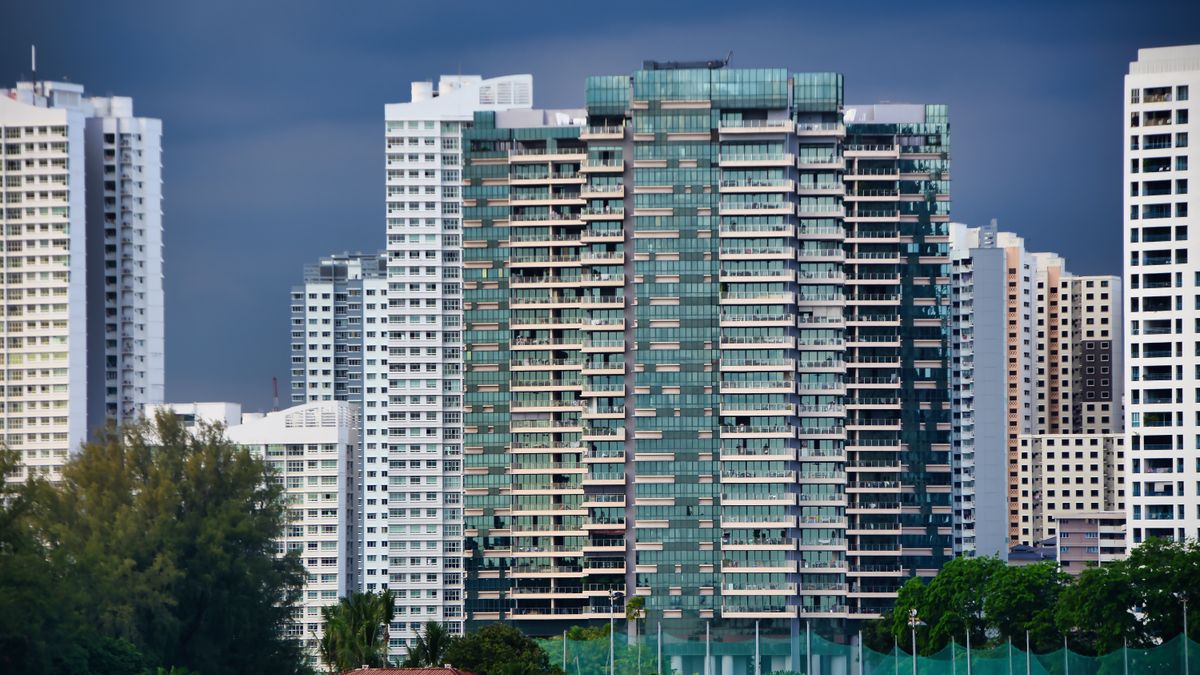
Real Estate Investment Trusts (REITs) are popular dividend investments. The SGX has one of the largest REIT markets in Asia. REITs let you own real estate without buying property directly.
REITs own and operate income-producing buildings. By law, Singapore REITs must pay out at least 90% of their income to investors. This means high and consistent yields. REITs also offer diversification and professional management. They are ideal for passive income seekers.
CapitaLand Integrated Commercial Trust (CICT) is the largest REIT. It owns prime retail and office space. Mapletree Logistics Trust focuses on warehouses across Asia. The e-commerce boom drives demand for logistics space. Ascendas REIT is the biggest industrial REIT. It has business parks and logistics buildings.
Compare REITs by their distribution yield. This is the annual payout divided by the unit price. Singapore REITs usually yield 4% to 7%. Higher yields may mean higher risk. Always check occupancy rates and tenant quality.
REITs are not risk-free. Interest rate hikes can hurt REIT values. Property downturns can cut rental income. Concentrated REITs with few tenants carry more risk. Diversify across sectors to stay safe.
For more on REITs, see our Singapore REIT sector performance 2026 and Singapore REIT tax implications 2026. The MAS REIT regulation page explains the rules governing Singapore REITs.
Building a dividend portfolio takes planning and discipline. Follow these steps to create a reliable income stream from Singapore stocks.
Decide how much passive income you need. If you want SGD 2,000 per month and target a 5% yield, you need a portfolio of SGD 480,000. Clear goals help you plan your timeline.
You need a brokerage to buy SGX stocks. Popular choices include DBS Vickers, OCBC Securities, and online brokers like Tiger Brokers. Compare fees and features before choosing. Read our guide on fractional shares in Singapore if you want to start small.
Start with blue-chip stocks and established REITs. Banks like DBS and OCBC are solid foundations. Add REITs for higher yields. Keep your core holdings simple and proven.
Do not put all your money in one sector. Spread your investments across banks, telecoms, REITs, and industrials. This reduces risk from any single sector. Diversification is key to stable income.
During the early years, reinvest your dividends. This speeds up portfolio growth through compounding. Over time, reinvesting can double or triple your income without adding new money.
Check your portfolio every quarter. Look for companies cutting dividends. This is a warning sign. Rebalance to keep your target mix. Stay disciplined and patient.
For more investing strategies, read our Singapore investment portfolio allocation 2026 guide.
Numbers tell the best story. Here is a sample portfolio built from the stocks covered in this singapore stock dividend investing guide 2026.
| Stock | Allocation | Yield | Annual Dividend |
|---|---|---|---|
| DBS Group | SGD 15,000 | 5.2% | SGD 780 |
| OCBC | SGD 10,000 | 4.8% | SGD 480 |
| CICT REIT | SGD 10,000 | 6.1% | SGD 610 |
| Singtel | SGD 8,000 | 5.5% | SGD 440 |
| Mapletree Logistics | SGD 7,000 | 5.8% | SGD 406 |
| TOTAL | SGD 50,000 | ~5.4% | SGD 2,716/year |
This SGD 2,716 per year translates to approximately SGD 226 per month in passive income. All dividends arrive tax-free. No capital gains tax when the portfolio grows. Reinvesting dividends for 10 years at a 7% annual growth rate could grow this portfolio to over SGD 100,000.
This example uses only instruments covered in this singapore stock dividend investing guide 2026. Adjust allocations based on your risk tolerance and timeline.
Singapore has one of the best tax environments for dividend investors. This is a major advantage covered in every singapore stock dividend investing guide 2026.
Singapore does not tax dividends from local companies. Whether you earn SGD 1,000 or SGD 100,000 in dividends, you keep it all. This is rare worldwide. Most countries tax dividends at 15% to 30%.
Singapore also has no capital gains tax. When you sell shares at a profit, you pay no tax. This makes Singapore one of the best places for stock investors.
Foreign stocks may have withholding taxes. US stocks charge 30% on dividends for non-residents. Singapore has tax treaties with many countries. These treaties can reduce withholding rates. Check the treaty rules for each country you invest in.
Singaporeans can use CPF Ordinary Account funds for stock investing under CPFIS. This lets you invest with pre-tax money. It boosts your after-tax returns. Check the CPF Investment Scheme information for the approved list of investments.
Learn more in our Singapore tax planning guide 2026.
Related: Singapore Stock Dividend Calendar 2026: Ex-Dates, Payment Schedule, and Yield Tracker
A good yield is 4% to 6% for blue-chip stocks. REITs may offer 5% to 7%. Yields above 8% need careful review. They may signal trouble. Focus on sustainable growth over chasing the highest yield.
You can start with SGD 100 to SGD 500. Some brokers offer fractional shares. This lets you invest even less. The key is to start early and add regularly.
Yes. Singapore REIT distributions are tax-free for local investors. REITs must pay out 90% of income. You keep every cent of your REIT dividends.
Yield is the dividend divided by the stock price. It shows your return on investment. Payout ratio is the dividend divided by earnings. It shows how much profit the company shares. A ratio above 100% is unsustainable.
Yes. The CPFIS lets you invest OA funds in approved SGX stocks and REITs. You need to be over 18 and have more than SGD 20,000 in your OA. Check the approved products list first.
Most pay semi-annually or quarterly. Banks often pay interim and final dividends. REITs usually pay quarterly. Check each company’s investor relations page for dates.
Singapore has a strong regulatory framework and tax-free dividends. This makes it safer than many markets. But all investments have risk. Companies can cut dividends during recessions. Diversify to reduce risk.
Singapore is one of the best places for dividend investing in 2026. Tax-free dividends, no capital gains tax, and strong companies make the SGX ideal for passive income. This singapore stock dividend investing guide 2026 covered the key steps: understanding dividends, picking stocks, using REITs, and building a portfolio.
Start early and invest consistently. Reinvest your dividends for maximum growth. Diversify to protect your income. With patience and discipline, you can build a reliable dividend stream that grows year after year.
For more investment ideas, explore our guides on Singapore index funds and ETFs and passive income ideas in Singapore.
SeaMoneyTips Editorial Team
The SeaMoneyTips Editorial Team provides expert financial insights and investment guides for Southeast Asian investors. Our team researches and analyzes market trends, tax regulations, and investment strategies to help you make informed financial decisions.